
Groundhog Removal on Smith Mountain Lake Properties
A fresh mound of dirt by the deck stairs, a hole behind the shed or a garden stripped to the stems: you likely need groundhog removal at Smith Mountain Lake. Moorman’s Wildlife Management & Pest Control handles groundhog jobs all around the lake from our Hardy office. Call (540) 494-8278. We find every burrow entrance, get the groundhog out, close the burrow and help keep the next one from moving in.
- Office617 Middle Valley Rd, Hardy, Virginia
- Phone(540) 494-8278
- Service areaSouthwest Virginia, including Roanoke, Lynchburg and Smith Mountain Lake
Signs of a Groundhog on a Lake Property
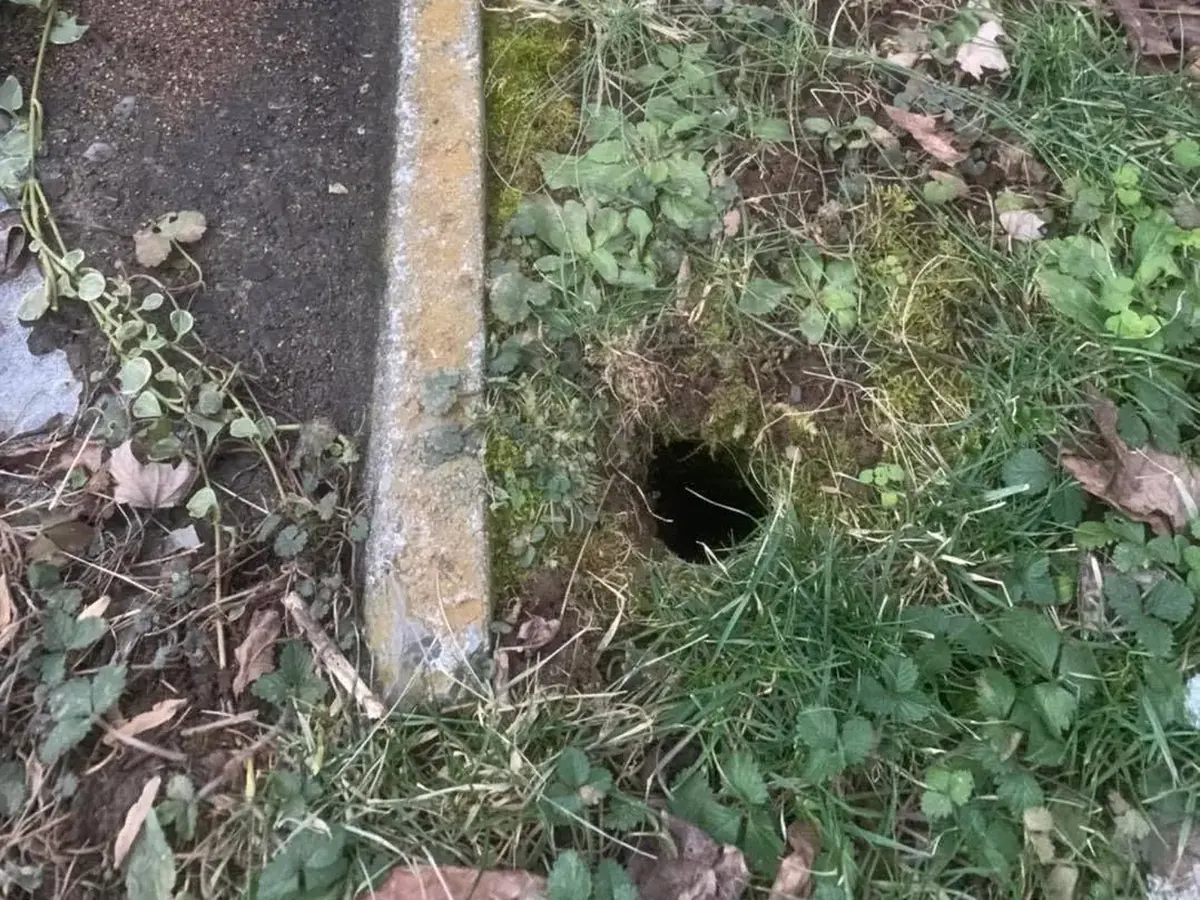
- A large burrow opening with a mound of fresh dirt beside it, often near a shed, deck or retaining wall
- Tunnels or soft, sunken spots running toward a dock access, boathouse or foundation
- Gardens, flower beds or landscaping stripped overnight, with clean bite marks on the stems
- A groundhog standing upright at the burrow mouth in early morning or late afternoon
- Cracked or shifting concrete, pavers or steps, which can sometimes mean a burrow has undermined the base (other causes are possible)
A hole or mound alone does not identify the animal, because other wildlife can dig or use similar burrows. We confirm what is using the burrow before any work begins.
Groundhogs on the Lake Through the Year
Groundhogs are true hibernators. They hibernate from about late October or November until February or early March, which is when many lake owners first notice fresh dirt mounds. Mating follows soon after they emerge, and a single litter of about 2 to 6 young is born in April. The young stay in the burrow for six to seven weeks, so they usually appear above ground in early summer. Through the warm months they feed heavily, then build body fat in fall before settling back underground.
On a lake lot burrow sites are often right where owners do not want them: under a deck, beside a boathouse or shed, along a retaining wall or at the edge of a slope above the water. Seasonal homes make it easy for a groundhog to dig for weeks before anyone notices. A burrow can have several openings, and the tunnels may run much farther than the visible hole. We map the openings before doing any work and check whether any are still in use.
How Groundhog Removal Works
After confirming which openings are active, we set traps where the groundhog travels and check them often, following Virginia wildlife rules. Animals are handled calmly and removed in accordance with those regulations. We do not seal a burrow until we have confirmed it is empty, because a closed tunnel with an animal inside causes suffering and more damage. If a female is raising young, we consider timing so the family is not separated. Once the burrow is clear, it is closed off and the soil repaired.
Keeping Groundhogs From Coming Back
Prevention starts with removing what makes a lot attractive. Clear brush piles and tall cover next to the house, shed or dock, and keep garden beds fenced or protected. Where a burrow was near a structure, we can recommend and install exclusion measures to help keep a new animal from digging back in. Filling an empty burrow and tamping it down can help, but without a barrier, another groundhog may reopen it. A quick walk around the property each spring and fall catches new digging early.
Groundhog Identification and Exclusion at the Lake
For Smith Mountain Lake properties, we inspect groundhog activity around decks, sheds and garden edges before recommending removal or exclusion. Once the animal is out and the area is confirmed clear, a buried barrier can help discourage repeat digging. Shoreline holes need careful identification because muskrats and other wildlife require a different approach.
Groundhog Removal Service Areas Near Smith Mountain Lake
Our lake groundhog work includes Moneta and the Bedford County and Franklin County shores.
Where groundhogs dig on a lake lot
Groundhogs, also called woodchucks, like forest edges, brushy ground and open grass, and they dig on dry, well-drained slopes. A lake lot that steps down from the road to the water through lawn, woods and terraces fits that description almost perfectly.
How to tell it’s a groundhog
- A big dirt mound. The main entrance usually has a large pile of freshly dug soil beside it.
- More than one hole. Burrows have at least two entrances. The extra ones are smaller, often hidden in brush, and serve as escape hatches.
- Daytime sightings. In warm months, groundhogs feed in the early morning and late afternoon, so you may see one on the lawn from the porch.
- Gnawed wood. Groundhogs gnaw the bark of fruit and ornamental trees to leave their scent.
- Eaten plants. Beans, peas, tomatoes, clover and grass are favorites, and a home garden can be stripped in short order.
A hole right at the waterline is less likely to be a groundhog. That is more often a muskrat or a beaver bank den. See beaver removal at Smith Mountain Lake or muskrat removal.
What is under that mound
A groundhog burrow is bigger than most people expect. Tunnels often run 25 to 50 feet and sit 3 to 5 feet below the surface, with a nest chamber at the end and a separate toilet chamber. On a sloped lot, that much digging under a slab, footer or wall is the real concern.
Why groundhogs are a problem on lake property
- Undermined structures. Burrows under deck footings, sheds, patios and stairs loosen the soil that holds them up, and burrowing can even weaken a building foundation.
- Retaining walls and terraces. Lake lots are full of walls holding back slopes. A burrow behind or beneath one loosens the soil the wall is holding back.
- Trip and mower hazards. Open holes in a sloped yard are easy to step in and hard on mowers.
- Gardens. Groundhogs feed in home gardens, and a lake garden next to brushy cover is an easy target.
Sheds and outbuildings
Many lake lots have a shed, boat storage building or pump house near the water. The dry, sheltered ground under a raised floor is an easy place to start a burrow, and the digging can go unnoticed for weeks when the house sits empty.
Keeping groundhogs out of Smith Mountain Lake gardens
A fence keeps out most groundhogs if it is built right:
- Make it at least 3 feet tall.
- Bury the bottom another 1 to 2 feet so they can’t dig under.
- If groundhogs climb it, add a 1-foot section along the top bent outward at a right angle.
Other steps help too:
- Pick up fallen fruit under trees.
- Clear brush piles and tall grass next to sheds and decks, which hide burrow entrances.
- Close gaps under sheds and stoops before spring, when groundhogs come out of hibernation and start digging again.
Electric fencing can work well for gardens. Scare tactics like lights or reflective tape usually stop working once the animal gets used to them.
Groundhog under a lake-house shed? Call us
Tell us what you are seeing around your lake property and we will schedule an inspection. You will get an explanation of what we find and the options available.
Questions we hear
Can a groundhog really damage a dock, deck or seawall at the lake?
Yes, it can. Burrows can remove soil from beneath footings, patios and retaining walls, and in some cases that leads to shifting, cracking or settling over time. Not every burrow causes structural damage, but one close to a structure is worth having checked early.
When do groundhogs become active at Smith Mountain Lake?
They wake from hibernation in February or early March, so fresh burrow mounds often appear in late winter or early spring, depending on the weather. They stay active and feed heavily through summer and into fall.
I only visit my lake house on weekends. Will I notice a groundhog?
You may not. Digging can continue for days between visits, so check around the foundation, deck and shed each time you arrive. Fresh dirt piles are the easiest clue.
Can I just fill in the hole myself?
That can trap an animal inside or push it to dig a new opening nearby. A burrow should be confirmed empty before it is closed, and a barrier is often needed to keep it closed.
Do groundhogs bite or carry disease?
They avoid people when they can, but a cornered groundhog can bite. Like other wildlife, they can carry parasites, so stay back from burrows and leave removal to a professional.
How much does groundhog removal cost at Smith Mountain Lake?
It depends on the number of burrows and how much barrier work the deck, shed or walls need. A single burrow in open lawn is a simpler job than one under a terraced deck on a steep slope. Every entrance has to be found before we can price it.
When should I deal with a groundhog burrow at the lake?
As soon as you see the burrow. Groundhogs are active from late winter into fall, and young are born in spring. Acting early keeps the tunnel from growing and avoids working around a litter.
Will a new groundhog take over the old burrow on my lake lot?
The same burrow can draw a new groundhog if it is left open, which is why we close it and block the spot. Other animals may still pass through the yard, but a barrier stops them from digging in under your deck again.
Is a groundhog burrow safe for my kids and pets?
Keep kids and dogs away from burrow entrances, and never corner a groundhog. Open holes on a slope are easy to fall into. Report any groundhog that stumbles or acts aggressive to the health department.
Send us the details
Thank you, we have your request
We will call or write back to set up your inspection. If it cannot wait, call (540) 494-8278.
Find us on Google Maps
Moorman’s Wildlife Management & Pest Control
617 Middle Valley Rd, Hardy, VA 24101
(540) 494-8278