
Flea Control for Southwest Virginia Homes
Itchy bites around your ankles, a pet that won’t stop scratching or tiny dark specks on the dog bed usually mean it’s time for flea control. Moorman’s Wildlife Management & Pest Control treats flea problems in homes and yards across Roanoke, Smith Mountain Lake, Lynchburg and the New River Valley. Call (540) 494-8278 and we’ll find where the fleas are breeding, treat the right spots and check whether a wild animal under the house is bringing them in.
- Office617 Middle Valley Rd, Hardy, Virginia
- Phone(540) 494-8278
- Service areaSouthwest Virginia, including Roanoke, Lynchburg and Smith Mountain Lake
The Flea Life Cycle: Four Stages
Adult fleas are only a small part of an infestation. Each female lays eggs on the pet, and the eggs drop off wherever the animal sleeps or rests.
- Egg: falls into carpet, bedding, cracks in floors and outdoor soil
- Larva: avoids light and feeds on organic debris, including flea droppings
- Pupa: spins a cocoon and can wait for weeks or longer
- Adult: emerges when vibration, warmth or breath signals a host is near
That patient pupal stage explains why fleas seem to appear out of nowhere.
Pets as Carriers
Dogs and cats pick fleas up outdoors, from soil, other animals and shaded corners of the yard, then bring them inside. Itching, scratching, hair loss and scabs are common signs, and some pets develop flea allergy dermatitis, a strong reaction to even a few bites.
Fleas can also pass on tapeworms when a pet swallows one while grooming. People are bitten too, usually around the ankles and lower legs. Your veterinarian can recommend a preventive suited to your pet, which is the main protection for the animal itself, while treating the surroundings handles the fleas that are not on it.
Wildlife as a Hidden Source
Sometimes the pets are only the delivery system. Opossums, raccoons, rodents and stray cats shed fleas wherever they rest, and under a deck, in a crawl space or inside a shed, those eggs and larvae build up out of sight. A dog that wanders through the area brings them straight into the house.
If treatment keeps failing, look for animal activity. Because Moorman’s Wildlife Management & Pest Control also handles wildlife, we can inspect for and deal with the animal using removal in accordance with Virginia wildlife regulations, and close the entry points so the source is not replaced.
Indoor and Outdoor Treatment
We start with an inspection of the yard and, where relevant, the home. Outdoors, treatment is directed at the shaded, protected places where pets lie and fleas develop: under decks and porches, along foundation edges, near doghouses and in damp, leafy corners. Indoors, attention goes to the areas where pets sleep and spend the most time.
Products are applied according to label directions, and we explain which areas to keep people and pets out of, and for how long, before and after service. Flea control works best when the yard, the house and the pets are all handled together. Yard and home treatment does not replace the flea preventive your veterinarian recommends for your pets.
Vacuuming and Washing Between Visits
What you do at home matters as much as what the technician does. Vacuuming pulls up eggs and larvae and also vibrates pupae into hatching, where they become vulnerable.
- Vacuum carpets, rugs, upholstery, baseboards and under furniture often for several weeks
- Empty the canister or seal the bag and take it to the outside trash right away
- Wash pet bedding, blankets and throw rugs in hot water and dry on high heat
- Comb pets with a flea comb and keep their preventives current
Expect some fleas to keep emerging for a while, since pupae hatch on a staggered schedule.
Flea Control Treatment Examples
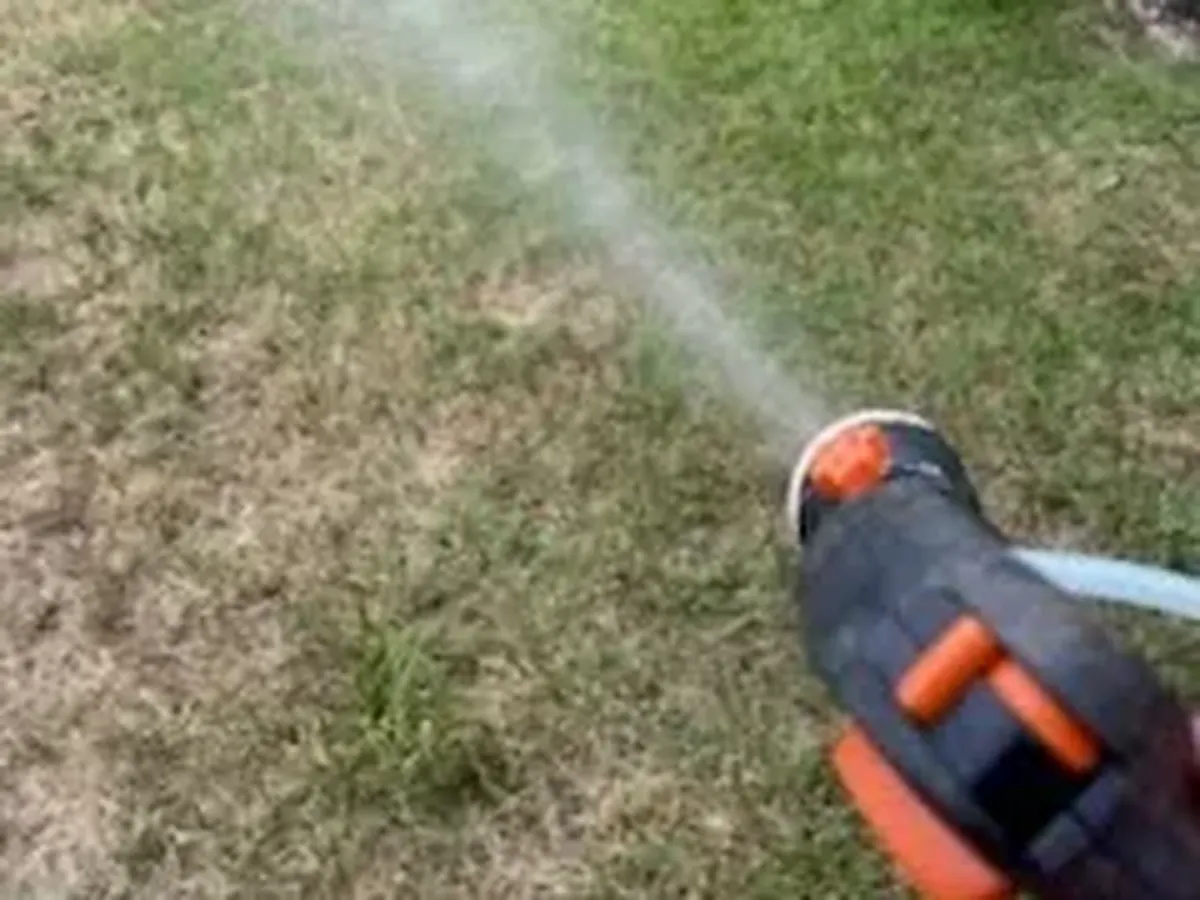
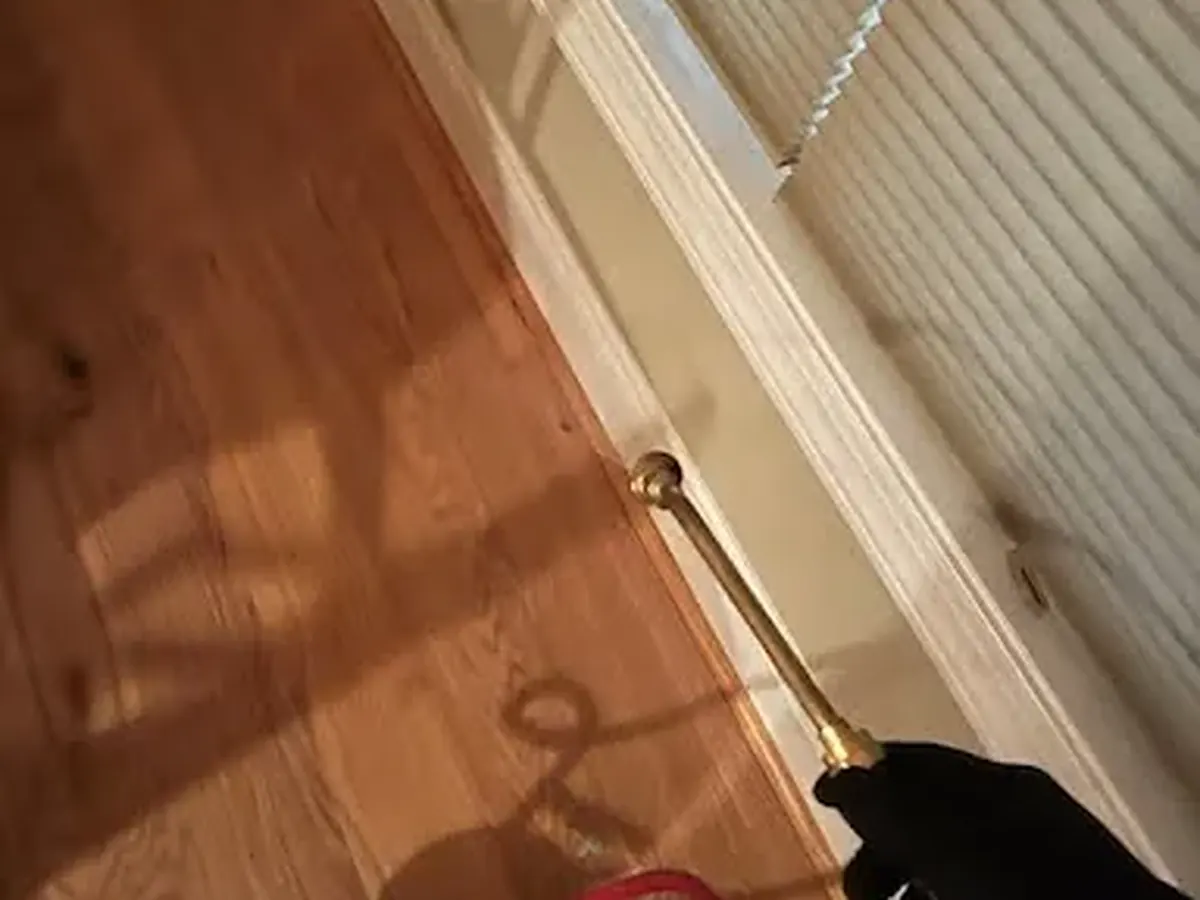
Moorman’s Wildlife Management & Pest Control field photos: a lawn treatment (left) and an interior treatment along a baseboard (right).
Signs of a flea problem
Fleas are small, dark, wingless insects that jump. The one found on most cats and dogs in homes is the cat flea, and it will bite people too.
Signs to watch for:
- Bites on the lower legs and feet that itch
- Pets scratching, chewing or licking more than usual
- Flea dirt, which is dried flea waste that looks like pepper in pet bedding or fur
- Fleas jumping onto socks when you walk across a rug or into a room that sat empty
- Fleas with no pets in the house, which can point to wildlife under the deck or in the crawl space
Wondering why fleas keep showing up indoors after you treat the pet? Our blog on why fleas move indoors explains the life cycle in more detail.
Why fleas are hard to get rid of
The fleas you see are only a small part of the problem. Adults stay on the animal, but their eggs fall off into carpet, bedding and soil. Those eggs hatch in a couple of days, and the larvae hide in dark, humid spots and feed on flea dirt.
Larvae then spin sticky cocoons that collect dust and are almost impossible to see. New adults come out when they sense footsteps or a warm body nearby. A full cycle can run anywhere from about a month to two and a half months. That is why treating only the pet, or only the floor, rarely ends it.
Fleas prefer warm, humid weather, but they can live year-round anywhere they have an animal to feed on.
Health concerns
Most flea treatment happens because the bites are miserable, not because of disease. Even so, some pets develop an allergy to flea bites, and pets can pick up tapeworm by swallowing an infected flea.
Where the fleas come from
Pets bring most fleas into a home. But wild animals carry them too. Opossums, raccoons, skunks, feral cats and rodents can drop flea eggs under a deck, in a crawl space or along a fence line where your pet lies down.
If one of those animals is living on your property, treating the house alone won’t last. We look for that source during the visit and can take care of it:
- Opossum removal for possums in the crawl space
- Skunk removal for dens under porches
- Raccoon removal for attics and decks
- Rodent control for mice and rats in the walls
How our flea control works
Inspect inside and out
We look at where pets sleep and rest, check rugs, furniture and bedding, and walk the yard for shaded, damp areas. We also check under decks, porches and the crawl space for signs of wildlife.
Prep the house
We give you a short prep list before treatment. It usually includes vacuuming floors and furniture, washing pet bedding and clearing floors so we can reach baseboards and under furniture.
Treat the home
Treatment focuses on the places pets spend time, where eggs and larvae build up.
Treat the right parts of the yard
Flea larvae avoid sun and need some humidity, so they collect in shaded, protected spots like under decks, along foundations and where dogs lie down. We target those areas instead of spraying the whole lawn.
Expect a few stragglers
Cocoons are hard for any treatment to reach, so a few fleas may still hatch for a short time. Keep vacuuming, and tell us if bites keep coming after a couple of weeks.
Your part: the pet and the house
Flea control works best when the pets are treated at the same time as the home.
- Ask your veterinarian which flea product fits each pet, and use it year-round as the label directs
- Never use a dog product on a cat, and dose by the pet’s weight
- Vacuum often for a couple of weeks after treatment, then empty the vacuum outside
- Wash pet bedding and throw blankets often with soap and water
- Mow often so sun reaches the soil, and rake up debris where fleas can hide
- Don’t overwater the lawn, since fleas like damp ground
Related Guides
- Fleas indoors ticks outdoors difference
Questions we hear
Why do I still see fleas after treating my pet?
Most of the infestation is not on the pet. Eggs, larvae and pupae in carpet, bedding and soil keep producing new adults for weeks. Treating the surroundings and cleaning thoroughly helps break the cycle.
Can fleas live in a house without pets?
Yes. They can arrive on clothing, ride in on rodents or wildlife nesting in the crawl space or attic, or hatch from pupae left behind in a vacant home when footsteps trigger them.
Where do fleas hide outdoors?
In shaded, humid, protected places where animals rest: under decks and porches, in crawl space entrances, beside doghouses and in leaf litter. Hot, sunny, dry lawn is not their favorite.
Could an animal under my deck be causing my flea problem?
It is possible. Opossums, raccoons and rodents can leave flea eggs behind, and the fleas then find your pets. If animal activity is suspected, the inspection includes that.
What do I do with my pets during treatment?
Your technician will explain how long people and pets should stay out of treated areas before and after service. Ask your veterinarian about preventives for your pet at the same time.
How much does flea control cost?
It depends mostly on the size of the home, whether the yard is included and whether wildlife is bringing fleas in. We give you a price after we see the property.
Can fleas come back after a flea treatment?
They can if pets go untreated or a wild animal is still living under the house. With the home, the yard, the pets and any wildlife source handled together, a flea problem is much less likely to keep cycling back.
Is flea treatment safe for my kids and pets?
Keep children and pets out of treated areas until the treatment has dried, and follow the re-entry time we give you. Cover fish tanks and turn off their air pumps during treatment.
Why am I still seeing fleas after treatment?
Fleas sealed in cocoons can keep hatching for a short while after treatment. Vacuuming helps, because the vibration prompts them to come out sooner, while the treatment is still in place. If numbers aren’t dropping after a couple of weeks, call us.
Related Services
Request an inspection
Schedule Flea Control Today
Still scratching after rounds of pet treatments? Call and tell us what you are seeing. We will look at both the yard and the home to find where the fleas are really coming from.
Send us the details
Thank you, we have your request
We will call or write back to set up your inspection. If it cannot wait, call (540) 494-8278.
Find us on Google Maps
Moorman’s Wildlife Management & Pest Control
617 Middle Valley Rd, Hardy, VA 24101
(540) 494-8278