
Ant Control for Southwest Virginia Homes: Sugar Ants, Pavement Ants and Carpenter Ants
Good ant control goes after the colony, because a line of tiny ants across the counter usually starts at a nest you cannot see, and spraying the line rarely reaches it. Moorman’s Wildlife Management & Pest Control identifies the ant, finds where it is coming from, and uses methods that reach the colony, for homes around Roanoke, Salem, Lynchburg, Smith Mountain Lake and the New River Valley. Call (540) 494-8278 or request an ant inspection.
Seeing large black ants or sawdust-like debris near wood? That calls for our carpenter ant control page, because carpenter ants are handled differently.
- Office617 Middle Valley Rd, Hardy, Virginia
- Phone(540) 494-8278
- Service areaSouthwest Virginia, including Roanoke, Lynchburg and Smith Mountain Lake
Ant Species We Treat
Correct identification changes everything about the treatment plan. Common species around Southwest Virginia homes include:
- Carpenter ants: prefer damp or decaying wood, so they can point to a moisture problem, but they can also nest in wall voids and insulation or extend galleries into sound, dry wood
- Odorous house ants: trail along counters and baseboards, often nesting near moisture sources
- Pavement ants: nest under slabs, driveways and foundations, entering through small cracks
Signs You Have an Ant Problem
- Visible trails of ants along counters, baseboards or exterior walls
- Small piles of sawdust-like material near wood framing (a carpenter ant indicator)
- Ant activity that increases after rain or near sinks and water sources
- Mounds appearing in yards, driveways or near the foundation
When it is a carpenter ant
Carpenter ants prefer damp or decaying wood, so an infestation can point to a moisture problem bigger than the ants themselves, though they can also extend galleries into sound, dry wood. If you’re seeing large black ants indoors, especially near bathrooms, kitchens or areas with past water damage, it’s worth having it checked before it becomes a structural repair.
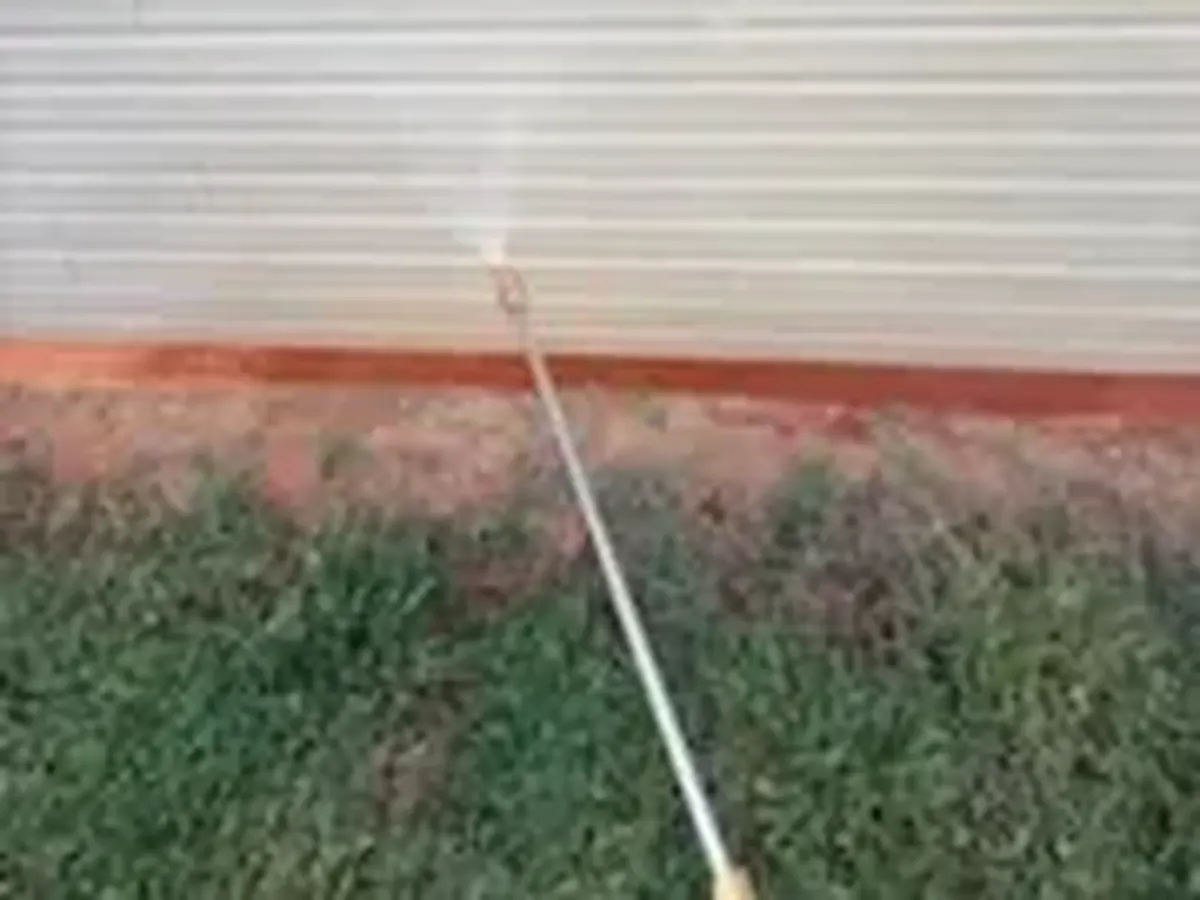
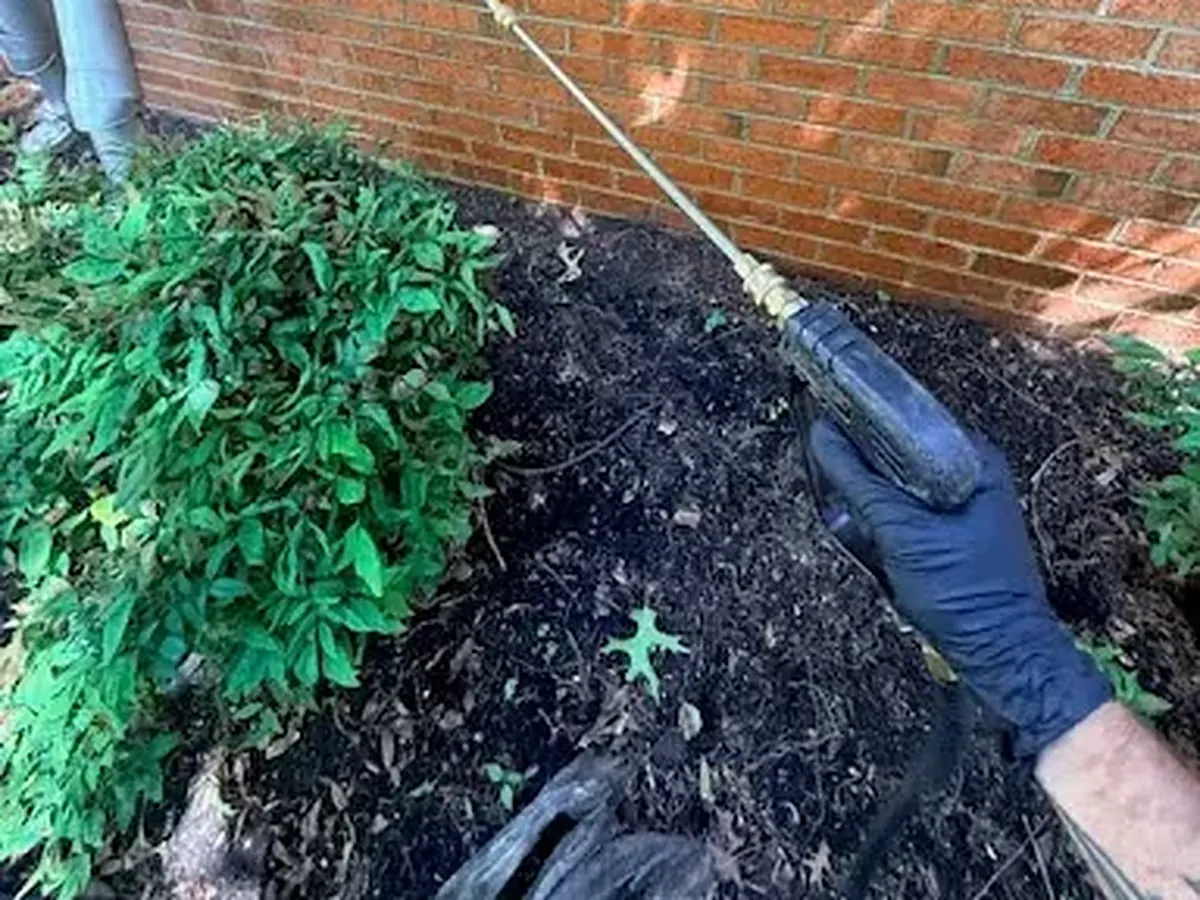
Example photos of exterior treatment: along the base of vinyl siding (left) and along a brick foundation bed (right). The treatment used depends on the species and the inspection findings.
Ant Control Service Areas
Roanoke, VA · Salem, VA · Hardy, VA · Smith Mountain Lake · Moneta, VA · Wirtz, VA · Lynchburg, VA · Surrounding Communities
The small ants that invade Virginia homes
Odorous house ants
Odorous house ant workers are about 1/16 to 1/8 inch long, all close to the same size, and give off a rotten smell when crushed. Colonies can have several thousand workers and many queens. They usually nest outdoors under rocks and boards, but indoors they nest near warmth and moisture, such as in wall voids. They love sweets.
Pavement ants
Pavement ant workers are about 1/8 inch long and brownish black, with two small spines on the back and grooves on the head. They nest in cracks in sidewalks, driveways and pavers, often leaving little piles of soil or sand at the entrance. They eat both grease and sugar, and they can seem to appear out of nowhere in large numbers, because workers lay scent trails that lead nestmates to food.
Others we see
Acrobat ants, little black ants and other small species also show up in homes. Identification is part of every visit, because bait choice depends on the species.
Why sprays often fail on ants
Most of a colony stays in the nest. The ants on your counter are workers sent out to gather food. Spraying them leaves the queens and young untouched, so new workers soon follow the same trail.
Baits work differently. Workers carry slow-acting bait back to the nest, where it is shared with queens and young. Pavement ants work the same way, and a bait the workers accept can reach the queen. Ant control can take two weeks or longer.
Matching the bait to the ant
- Sweet feeders. Odorous house ants take sugar-based baits.
- Grease and protein feeders. For pavement ants we usually start with a protein or grease bait and switch to a sweet or dual-choice bait if they ignore it, since their tastes shift during the year.
How our ant control works
Identify the species
We collect a few ants and look at their size, color and body shape.
Follow the trail
Trails lead back toward the nest or the entry point, such as a window frame, a crack in the slab or a pipe.
Place baits along active trails
Baits go where workers are already feeding, out of reach of kids and pets.
Treat outside where ants enter
Depending on the species, an exterior treatment around the foundation may be added, applied as the label directs.
Fix entry points and moisture
Sealing cracks and gaps, and drying damp areas, keeps the next colony out.
Watch the trails
Busy trails should thin out as the bait works. If they don’t, the baits need adjusting, so tell us what you see.
Ant season in Southwest Virginia
Ant calls follow the weather. Trails indoors usually pick up as days warm in spring and stay busy through summer. A few seasonal facts help with planning:
- Swarm timing. Odorous house ant swarmers appear from May through July.
- Changing tastes. Pavement ants may switch bait preference at different times of year, which is why a bait that worked in April may be ignored in August.
Colonies nesting indoors near warmth may stay active into the cooler months.
Winged ants in spring are easy to confuse with termite swarmers. If you are not sure, save a few and see our termite inspection page for the differences.
Not sure which ant it is?
Tell us what you’re seeing and we’ll identify the species and recommend a clear plan.
Questions we hear
How do I know if I have carpenter ants or odorous house ants?
Carpenter ants are larger and are usually found near wood damaged by moisture. Odorous house ants are smaller and trail along counters and baseboards, especially near water sources. An inspection confirms which one you have.
Do carpenter ants mean I have a moisture problem?
Often, yes. Carpenter ants prefer wood that’s already softened by moisture, so their presence can point to a leak or water intrusion issue worth checking.
What precautions apply for pets and kids after ant treatment?
Precautions and re-entry times depend on the product and treatment area. Keep children and pets away during application and follow the pesticide label and your technician’s instructions before returning. Do not assume a dry surface is safe to touch; follow the label and your technician’s instructions. Tell us about children, pets, aquariums or other concerns so we can explain the precautions for your treatment.
Will ants come back after treatment?
They can if entry points and attractants aren’t addressed. That’s why our process includes identifying how they’re getting in.
How much does ant control cost?
It depends on which ant you have, how many nests are feeding the trails and whether we treat outside as well as in. A single pavement ant trail at a slab crack is a smaller job than odorous house ants nesting in a wall void. Your price follows the inspection.
Are the tiny ants in my kitchen dangerous?
Odorous house ants and pavement ants are a nuisance, not a structural threat. They can get into food, which is why they are worth dealing with. Large ants pushing out sawdust are a different story; see carpenter ant control.
How long does it take for ant bait to work?
Control with baits can take two weeks or longer. Ants lay scent trails to recruit nestmates to food, so a busy trail to the bait in the first few days is a good sign.
Is ant control safe for my kids and pets?
Baits placed in cracks and protected spots, and treatments applied by label directions, keep exposure low. Tell us about pets so we can plan placement and timing.
Related Services
Send us the details
Thank you, we have your request
We will call or write back to set up your inspection. If it cannot wait, call (540) 494-8278.
Find us on Google Maps
Moorman’s Wildlife Management & Pest Control
617 Middle Valley Rd, Hardy, VA 24101
(540) 494-8278