
Raccoon Removal for Lake Houses and Boathouses at Smith Mountain Lake
Muddy paw prints across the boathouse floor, a pile of droppings in the same corner of the deck every morning, or heavy steps over the guest room at night: you need raccoon removal at Smith Mountain Lake. Moorman’s Wildlife Management & Pest Control serves lake homes from our office in Hardy. Call (540) 494-8278. We find how the raccoon is getting in, check for young, get it out and seal the opening.
- Office617 Middle Valley Rd, Hardy, Virginia
- Phone(540) 494-8278
- Service areaSouthwest Virginia, including Roanoke, Lynchburg and Smith Mountain Lake
Signs of Raccoons at a Lake House or Boathouse
- Heavy thumping, rolling or chittering in the attic that is louder than squirrels
- Torn soffits, bent fascia or lifted shingles near the roof edge, especially on a corner or porch roof
- Droppings in one spot, often on a flat surface such as a deck, dock or rooftop (a raccoon latrine)
- Overturned garbage, emptied pet food bowls or fish remnants on the dock at night
- Muddy paw prints on a roof, rail or dock, or sounds coming from a chimney flue
Raccoons Along the Shore: What to Expect Each Season
Raccoons are strong, curious and well adapted to shoreline living. They hunt along the water at night, check docks, boathouses and trash cans for food, and look for a sheltered den when it is time to raise young. Kits are born in April or May, so spring is when females den in attics, chimneys and the spaces above covered docks to give birth. Kits depend completely on the mother for about 8 to 10 weeks. In June and July the kits begin to move about but are still dependent on her, and in August and September the juveniles are weaned and start to forage.
Seasonal homes are particularly at risk. A raccoon that gets into an unoccupied attic in winter or early spring has weeks or months to damage insulation and leave droppings. Raccoon droppings can contain roundworm eggs, so avoid disturbing or handling them and leave cleanup to a professional. Before any exclusion, we check whether young are in the structure, because separating a mother from her kits creates the very problem we are trying to solve. Wooded shoreline lots keep the supply of raccoons steady, so sealing the structure matters more than removing one animal.
How Raccoon Exclusion Works
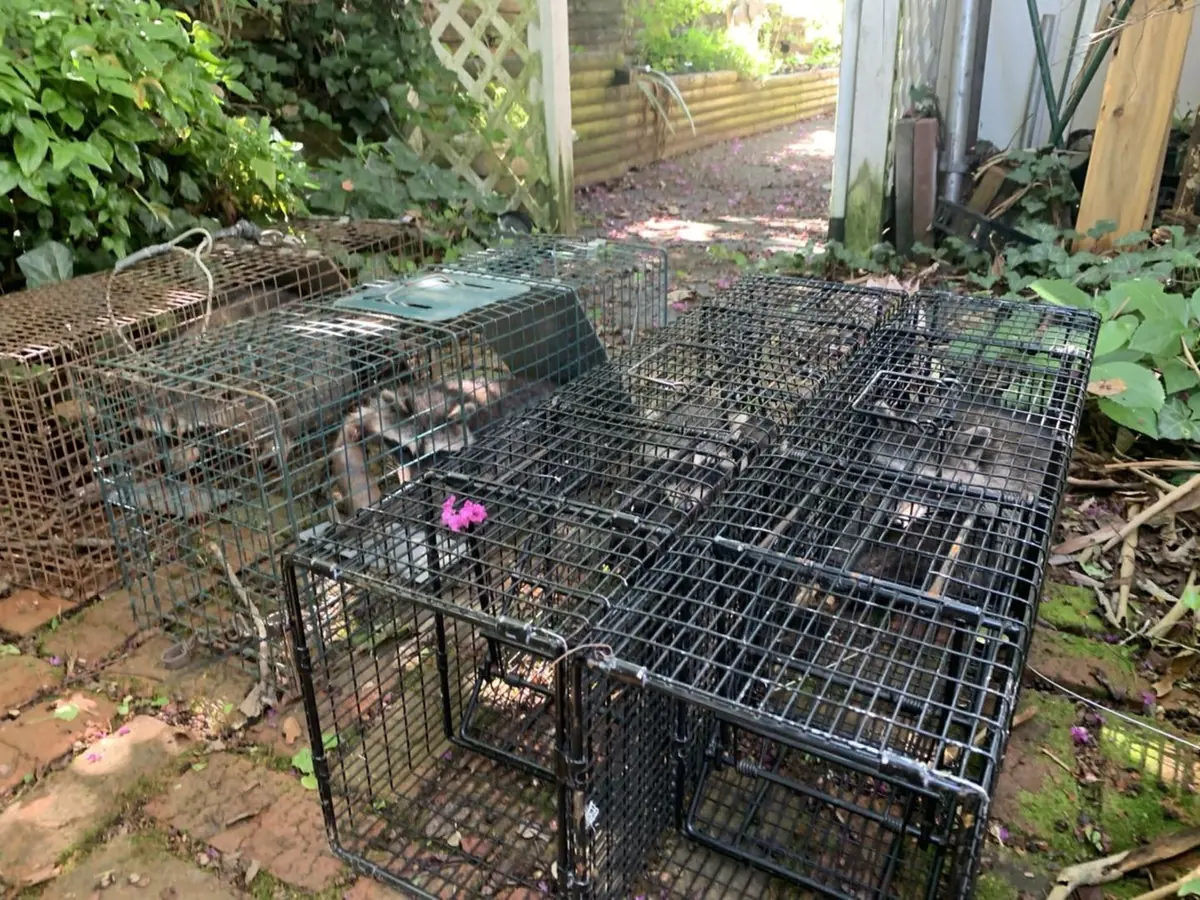
Raccoons are removed in accordance with Virginia wildlife regulations. Before any one-way device is used, we check whether young are in the structure. Kits depend completely on the mother for about 8 to 10 weeks, so if young are present we change the plan, for example by delaying one-way exclusion until the kits can leave with their mother, so no young are sealed in. We get the animal out, seal the entry so it can’t come back and repair the damage.
Helping Keep Raccoons From Returning to the Lake
Raccoons follow food. Keep garbage in locked bins or a secured area, and bring pet food and bird feeders inside overnight. Clean fish waste off docks and cleaning stations. Trim branches back from the roof so the house is not an easy climb, and make sure every vent and soffit is screened with durable material. If you have a boathouse or covered dock, inspect the rafters and loft for signs of denning before the spring birthing season.
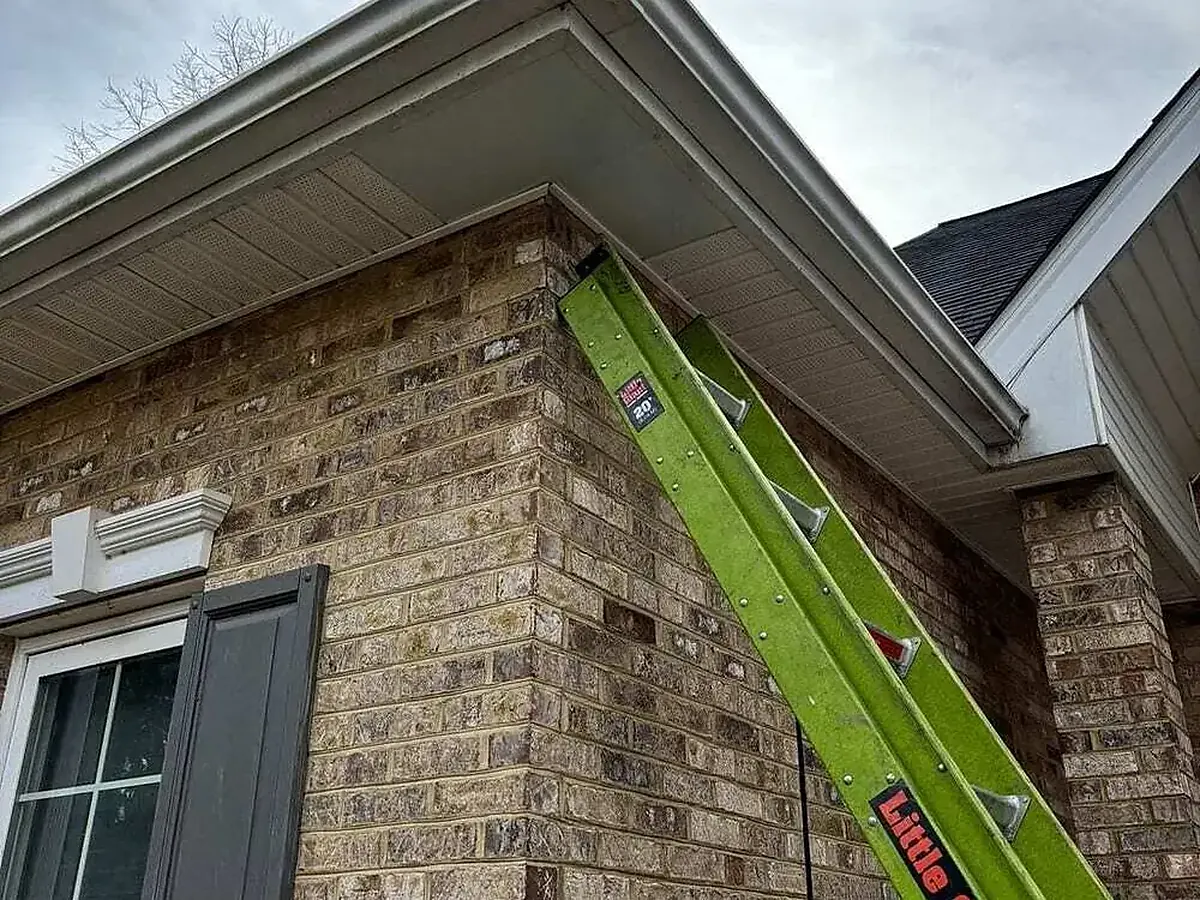
Raccoon Removal & Exclusion: What It Looks Like
Raccoon Removal Service Areas Near Smith Mountain Lake
Our lake raccoon service also reaches Moneta and the Bedford County and Franklin County shorelines.
Raccoon in the attic or chimney at Smith Mountain Lake?
Why the lake suits raccoons
Raccoons do best close to water, and most of the shoreline around Smith Mountain Lake is lined with homes. Wooded coves give cover, the water gives food, and every house, dock and boathouse adds a sheltered spot to rest.
They are mostly active at night, with the busiest feeding before midnight. An adult weighs 10 to 25 pounds, which is why raccoon noise overhead sounds like a person walking, not a mouse.
Signs a raccoon is using your lake property
- Heavy movement at night in the attic, inside a wall or over a porch ceiling
- A torn roof vent, soffit or ridge cap, often on the tall lake side of the house
- Chirring or crying from the chimney in spring, which usually means a mother with young
- Droppings piled in one spot on the deck, dock, boathouse loft or a flat roof
- Tipped trash, torn grill covers or raided coolers left out after a long weekend
Docks and boathouses
A covered dock or boathouse is a quiet building that people visit only now and then. Raccoons use the lofts, rafters and storage boxes as resting spots and leave droppings behind. They deserve the same close look as the house.
Why raccoon droppings need care
Raccoons pick a few favorite toilet spots, called latrines, and use them again and again. Decks, patios, garages and attics are common sites, along with woodpiles and the flat tops of large rocks.
Raccoon droppings can carry roundworm eggs. Fresh droppings are not infectious yet, but the eggs become a risk after 2 to 4 weeks, so prompt cleanup matters.
Young children are at the highest risk because they may put dirty hands in their mouths. Keep kids and pets away from any latrine until it is cleaned up properly.
Inside, raccoons also flatten and soil attic insulation and tear open vent screens. See attic restoration for what that cleanup involves.
Raccoon proofing for Smith Mountain Lake homes
Lake houses are often built into a slope, with a lake side two or three stories high, a walk-out basement and big decks. That adds rooflines and joints raccoons can work at. Raccoon proofing usually covers:
- Roof vents and ridge vents guarded with sturdy metal.
- Soffit and fascia corners reinforced where a raccoon has pulled or could pull them loose.
- Under-deck spaces and crawl space vents closed so raccoons can’t den beneath the house.
- Trimmed limbs, since overhanging branches give raccoons a ladder to the roof.
For sealing the whole house at once, see wildlife exclusion at Smith Mountain Lake.
Raccoon in a lake attic or boathouse? Book an inspection
Hearing heavy steps over the ceiling or finding a latrine on the dock? Tell us what you’re seeing and we’ll set up an inspection of the house and boathouse.
Questions we hear
Can raccoons really get into a chimney or boathouse at the lake?
Yes. They climb well, can pry loose vent covers and caps, and look for dry, enclosed spaces. Chimneys, attics and boathouse lofts are common den sites.
Why do I hear louder noise at night than I did with squirrels?
Raccoons are mostly active at night and are much heavier, so their movement is deeper and more thumping. Noise at night and heavier damage can point toward a raccoon rather than a squirrel, but timing and noise alone do not identify the animal.
What if there are baby raccoons in the attic?
We check for kits first and plan the exclusion so the mother and her young are not separated, working in accordance with Virginia wildlife regulations. Never seal an opening until you are sure the space is empty.
Are raccoon droppings dangerous?
They can contain raccoon roundworm eggs, which can make people sick if swallowed. Avoid disturbing or handling droppings, and do not sweep or vacuum them dry. Cleanup is best left to a professional, and you can ask your doctor or local health department about possible exposure.
How do I keep raccoons off my dock?
Remove food sources: secure trash, take pet food and feeders in at night, and clean up fish waste. Without a reward, they usually move on to a different spot.
How much does raccoon removal cost at Smith Mountain Lake?
Each lake property is different. A raccoon in one chimney is a smaller job than one using the attic, the deck and the boathouse. Roof height on the lake side and the amount of cleanup also matter. You get the price after we have seen all of it.
I only come up on weekends. Can this be handled while I’m away?
Often, yes, as long as we can reach the outside and the attic.
Will other raccoons try my lake house after you seal it?
Sealed openings are much harder to reopen, but raccoons live all around the lake, so new ones may test the house. Locked-down trash and capped chimneys give them little reason to stay.
Are raccoons on the property safe for my kids and pets?
Keep children and pets away from the raccoon and any droppings, and keep pets’ rabies shots current. A raccoon seen in daylight is not necessarily sick, but call the health department about one that stumbles, foams at the mouth or acts aggressive.
Send us the details
Thank you, we have your request
We will call or write back to set up your inspection. If it cannot wait, call (540) 494-8278.
Find us on Google Maps
Moorman’s Wildlife Management & Pest Control
617 Middle Valley Rd, Hardy, VA 24101
(540) 494-8278