
Guide · By Zakk Moorman, Wildlife Biologist · Updated November 2026
Wildlife Damage Repair Checklist: What Comes After the Animal Leaves
The squirrel, raccoon or bat may be out, but the hole it used, the mess it made and the damage it caused are still there. Knowing what to do after wildlife removal matters as much as the removal itself. Moorman’s Wildlife Management & Pest Control seals, cleans and repairs homes after animals across the Roanoke Valley, the lake area and Lynchburg. Call (540) 494-8278 to have yours finished right.
Use this checklist to make sure nothing gets skipped. Work through it in order, because each step protects the one after it.
1. Confirm every animal is out
- No new sounds in the attic, walls or crawl space for several days
- Young animals accounted for
- Any one-way door or exclusion device has done its job
Closing up too soon shuts animals in, where they gnaw their way out somewhere new or perish inside a wall and leave an odor. If that happens, see dead animal smell in the wall. With bats, we follow Virginia wildlife rules and wait until the young can fly before the last gap closes.
2. Seal the entry point and the backups
- The main entry is closed with material the animal can’t chew through
- Every other gap at the roofline, vents and foundation is checked
- Openings around pipes, wires and dryer vents are sealed
- Tree limbs touching the roof are trimmed back
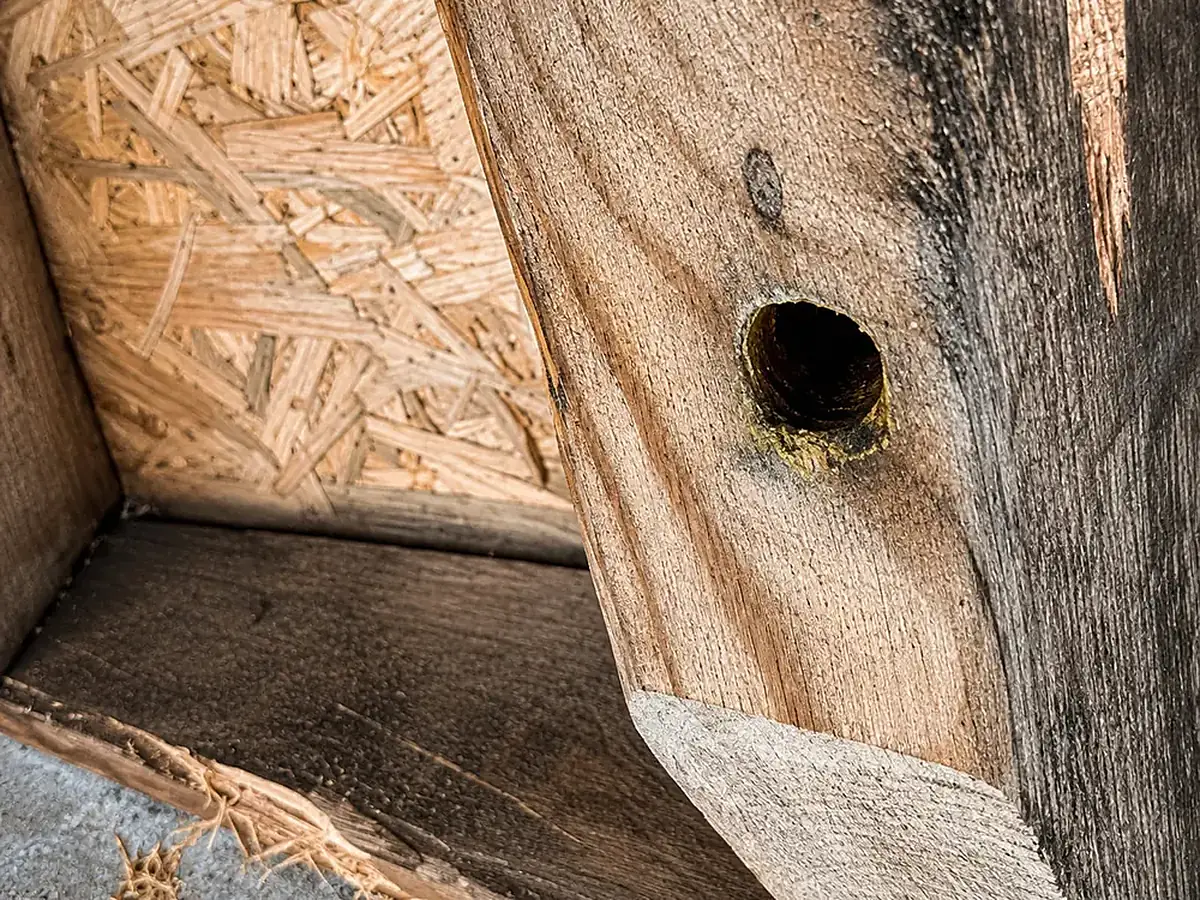
A quarter-inch crack is enough room for a mouse. Small holes take steel wool held with caulk or foam, and larger ones need hardware cloth or sheet metal. See entry point sealing.
3. Clean up droppings and nesting material
- Area aired out before cleanup starts
- Droppings and urine soaked with disinfectant, never swept or vacuumed dry
- Soiled insulation bagged and removed
- Raccoon waste handled as a special case
- Bat guano handled as a special case
Rodents. Droppings and nests should be soaked with disinfectant before anyone wipes them up, because sweeping or vacuuming them dry stirs up dust that can carry disease.
Raccoons. Their latrines can carry roundworm eggs that most disinfectants can’t destroy, though heat does. Fresh raccoon roundworm eggs take 2 to 4 weeks to become infectious, which is why quick cleanup by a protected crew helps.
Bats. Dry guano turns to dust that can carry the spores behind histoplasmosis. See bat guano cleanup.
For anything bigger than a few droppings, our attic cleanup service handles removal and sanitizing.
4. Repair the damage animals caused
- Chewed fascia, soffits and trim rebuilt
- Torn gable and soffit vents replaced or guarded
- Ducts and duct wrap checked for chewing and tearing
- Wiring inspected for chew marks
- Crawl space liner and vent screens checked
Chewed wires belong to a qualified electrician. We point them out when we find them. Outside repairs are covered on our wildlife damage repair page, and under-the-house damage on crawl space repair.
5. Replace the insulation
- Air leaks around wires, pipes, lights and the hatch sealed first
- New insulation brought to the right depth for our climate
- Insulation kept off soffit vents and away from recessed lights not rated for contact
In climate zone 4, which includes Roanoke, that means R-60 for an attic stripped to the drywall or R-49 where 3 to 4 inches of clean insulation remain. See insulation damaged by animals.
6. Take away what drew the animal in
- Bird feeders moved away from the house or taken down for a while
- Trash cans closed tight
- Pet food kept indoors
- Firewood and debris stacked away from the walls
Many squirrel complaints start at a bird feeder. Cutting off easy food makes your house less interesting to the next animal.
7. Keep an eye on it
- Walk the outside of the house each season
- Look at the attic from the hatch a few times a year
- Call if you hear noises again
Let us finish the job
Had an animal removed but still looking at a chewed vent, a fouled attic or flattened insulation? We’ll confirm the house is empty, seal every opening and work down this checklist with you. Call (540) 494-8278, or ask us to inspect after removal.
Questions we hear
What should I do right after an animal is removed from my attic?
Make sure no others are left, then seal every opening. Cleanup and insulation come after the house is closed, so the work only needs doing once.
Is it safe to clean up droppings myself?
A few mouse droppings can be handled with gloves and disinfectant, without sweeping. Raccoon latrines, large rodent messes and bat guano carry more risk and are better left to a crew with protective gear.
Do I need to replace all the insulation?
Not always. Clean, dry sections can stay. Insulation soaked with urine or full of droppings and nests should come out.
How do I keep animals from coming back?
Seal all openings with chew-proof materials, trim limbs back from the roof and remove food sources like bird feeders and open trash.
How long after removal should repairs happen?
As soon as you’re sure the house is empty. An open hole invites the next animal, and damp insulation or soiled areas get worse with time.
Related Services and Guides
Request an inspection